
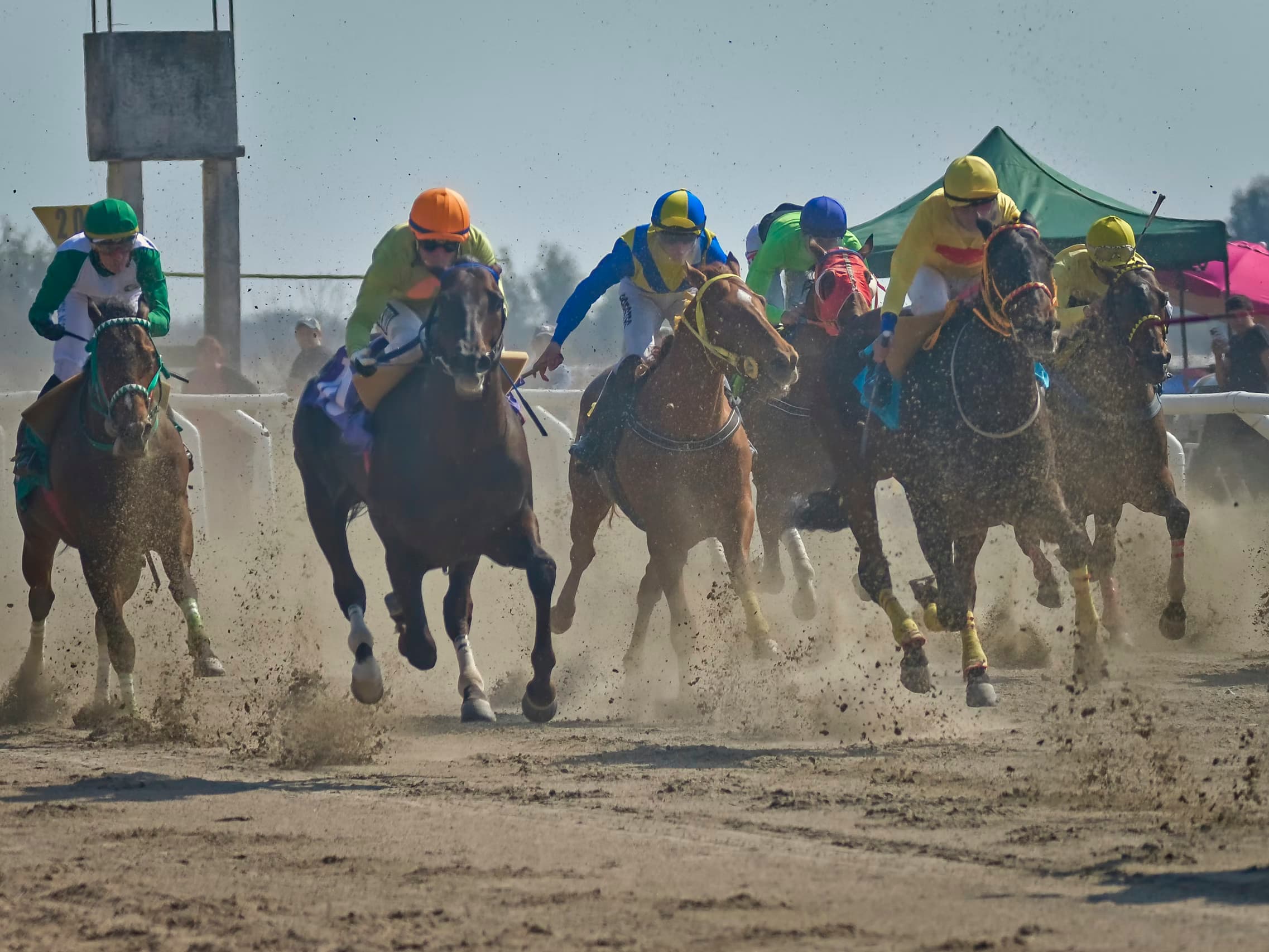
Turf vs dirt surface switches occur when a horse transitions from racing on grass to a synthetic or dirt track — or the reverse — and they represent one of the most profitable yet underutilized handicapping angles in horse racing. Research from 2025-2026 racing data shows that roughly 18% of all North American starters in a given month are making some type of surface switch, yet the average bettor rarely adjusts their analysis to account for this variable. Understanding how surface changes affect performance can unlock significant value, especially during the spring transition period when tracks across the country open their turf courses for the season.
Why Does the Racing Surface Matter So Much in Horse Racing?
The surface a horse runs on is arguably as important as the distance, class, or pace scenario. Dirt tracks — the predominant surface in North American racing — tend to reward horses with raw power, strong early speed, and the ability to handle kickback (dirt and sand sprayed by horses in front). Turf courses, by contrast, favor horses with tactical speed, efficient stride mechanics, and pedigrees rooted in European grass-racing bloodlines.
The biomechanical demands are genuinely different. Dirt racing requires a horse to dig into a loose, sometimes cuppy surface, which places greater strain on the forelegs and demands more anaerobic power. Turf racing rewards a fluid, ground-covering stride because the firmer grass surface provides more energy return with each footfall. Think of the difference between sprinting on a sandy beach versus sprinting on a manicured soccer field — the energy expenditure and ideal body mechanics are fundamentally different.
This matters to bettors because a horse's past performance figures on one surface may be nearly irrelevant when it switches to the other. A horse that earned a 90 Beyer Speed Figure on dirt may run 8-12 points lower on turf — or, occasionally, dramatically better. Ignoring the surface context behind a horse's form is one of the most common mistakes recreational bettors make.
How Do You Identify Horses Likely to Improve on a Surface Switch?
Identifying improvers on a surface switch requires examining four key factors: pedigree, running style, physical conformation, and prior surface history.
- Pedigree analysis is the single most predictive tool for surface switches. Sires like Kitten's Joy, War Front, and English Channel are proven turf influences. When a horse by one of these sires has been running mediocre dirt races and switches to turf for the first time, the odds are frequently inflated because the public anchors on the poor dirt form. In 2025, first-time turf starters by the top 20 turf sires won at a rate of 14.3% with an average win mutuel of $18.40 — a statistically profitable angle when applied with discipline.
- Running style matters because closers and stalkers tend to show greater improvement when switching to turf. Dirt racing in North America disproportionately favors speed, while turf racing — particularly at route distances — rewards horses who can settle, save ground on the turns, and produce a late kick. If a horse has shown a consistent closing style on dirt but been unable to catch front-runners, turf may unlock its best form.
- Conformation clues are subtler but valuable. Horses built with a longer, leaner frame, a higher tail set, and lighter bone often handle turf more naturally. Conversely, horses with a muscular, compact build may thrive on dirt but struggle on grass.
- Prior surface history is the most obvious data point. Always check whether a horse has previous turf or dirt starts buried in its past performances. A horse returning to turf after six dirt starts may have run a strong turf race twelve months ago that most bettors overlook. Platforms like StrideOdds can surface this kind of hidden form by aggregating surface-specific performance metrics and flagging horses with statistically significant surface preferences.
When Is Surface Switch Betting Most Profitable During the Year?
The spring months — March through May — are the single best window for surface switch betting in North American racing. Here is why:
As winter recedes, tracks across the country begin opening turf courses that have been closed or limited since the previous fall. Aqueduct, for example, typically resumes turf racing in April. Keeneland's spring meet (which opened April 4 this year) features a dense turf schedule after months of primarily dirt racing at other tracks. Gulfstream Park runs turf year-round, but many shippers arriving for northern spring meets are making their first 2026 turf starts.
This creates a market inefficiency. The betting public tends to rely heavily on recent form, which during the winter is almost exclusively on dirt. When a horse with a mediocre winter dirt record enters a spring turf race, the public undervalues it. Meanwhile, handicappers who have done the pedigree and form research recognize the turf potential and find generous odds.
Data from the 2025 Keeneland spring meet illustrates this: horses making their first turf start of the year after at least three dirt starts won at 11.7% and returned an average ROI of +22% on win bets. That is a remarkable edge in a game where most betting strategies struggle to break even.
The fall offers a smaller but similar window in reverse, when tracks close their turf courses and turf-preferred horses are forced onto dirt for the winter. Horses switching from turf to dirt in November and December at Aqueduct and Churchill Downs have historically underperformed their morning-line odds by roughly 15%, making them profitable horses to bet against.
How Do Turf-to-Dirt Switches Differ From Dirt-to-Turf?
These two transitions are not symmetrical, and understanding the asymmetry is critical for profitable betting.
Dirt-to-turf switches produce the higher-value betting opportunities. The reason is simple: many horses bred for turf spend their early careers on dirt because that is where the majority of races are carded, especially at lower class levels. Their dirt form understates their true ability, creating overlays when they finally get grass. The public sees a horse with a 70 Beyer on dirt and dismisses it, not realizing the horse may be a natural turf animal whose pedigree and style suggest an 85+ figure on grass.
Turf-to-dirt switches are generally negative for the horse but can still be profitable to bet on in specific situations:
- Turf horses forced to dirt by rained-off turf courses often run poorly because the switch is unplanned. In 2025, horses scratched from rained-off turf races who then entered dirt races within seven days won only 5.2% of the time — well below the average win rate of roughly 9% for all starters. Betting against these horses is a sound strategy.
- Intentional turf-to-dirt moves by top trainers tell a different story. When a leading trainer deliberately enters a turf horse on dirt — particularly a horse with some dirt breeding on the dam's side — it often signals private information. Horses fitting this profile at the 2025-2026 Gulfstream Championship Meet won at 16.1%, well above expectation.
The key distinction is whether the switch is forced or deliberate. Forced switches are typically bad for the horse and the bettor who backs it. Deliberate switches, especially by high-percentage trainers, deserve serious attention.
What Role Does Pedigree Play in Predicting Surface Success?
Pedigree is the foundational layer of surface handicapping, and its predictive power is supported by decades of breeding data.
Every sire has a surface preference index based on the aggregate performance of their offspring. In 2026, these are some of the key sire statistics bettors should know:
- Into Mischief: 21% win rate on dirt, 13% on turf. His offspring are predominantly dirt runners and generally regress on surface switches to grass.
- Quality Road: 18% dirt, 16% turf. Versatile sire whose offspring handle both surfaces reasonably well.
- Medaglia d'Oro: 17% dirt, 11% turf. Strong dirt preference. Turf switches should be viewed skeptically.
- War Front: 12% dirt, 22% turf. Elite turf sire. Offspring running on dirt are frequently underlaid (over-bet) based on pedigree reputation, but they genuinely improve on grass.
- Curlin: 19% dirt, 9% turf. One of the strongest dirt-only sire profiles in modern racing.
Beyond the sire, the broodmare sire (the dam's father) provides a second layer of surface intelligence. A horse by a dirt sire out of a mare by a turf sire often shows versatility. A horse by a turf sire out of a mare by another turf sire is almost certainly a grass specialist. The StrideOdds platform incorporates both sire and broodmare sire surface metrics into its predictive models, giving users an automated edge in evaluating surface switch candidates.
Bettors should also watch for first-time turf starters whose dams won on grass. Approximately 67% of horses whose dams won at least one graded turf stakes will show improved form on their first turf attempt compared to their dirt baseline. This is one of the most reliable pedigree-based angles in handicapping.
How Should You Adjust Your Betting Strategy for Surface Switches?
Here are five actionable rules for integrating surface switch analysis into your betting:
- Never use dirt speed figures to evaluate a first-time turf starter. Instead, rely on pedigree, trainer turf stats, and the horse's running style. Dirt figures are largely irrelevant on the new surface.
- Track trainer surface-switch statistics. Some trainers are elite at managing surface transitions. In 2026, trainers like Chad Brown (33% win rate with dirt-to-turf switches) and Graham Motion (27%) dramatically outperform the field. A surface switch by one of these trainers is a qualitatively different bet than the same move by a 6% trainer.
- Bet more aggressively on dirt-to-turf switches than turf-to-dirt. The value is structurally better when a horse moves to turf because the public anchors on misleadingly poor dirt form. Turf-to-dirt moves are riskier and typically offer less value.
- Monitor the calendar. Spring turf openings (March-May) and fall turf closings (November) are the peak periods for surface switch plays. Mark these dates and prepare your watchlists in advance.
- Use exotic wagers to amplify edge. Surface switch horses that win often pay large prices — the median win mutuel for successful dirt-to-turf switches in 2025 was $14.60. These are ideal candidates for exacta and trifecta keys. A $2 exacta key on a 6-1 surface switch horse with three logical contenders underneath costs only $6 but can return triple digits when the angle hits.
Surface switch handicapping is a discipline that rewards preparation, patience, and an analytical mindset. It is not a play you will find every day, but when the right combination of pedigree, trainer intent, and calendar timing converges, it produces some of the most reliable overlays in the game. Building a systematic process for flagging and evaluating these opportunities can be the difference between a break-even year and a genuinely profitable one.
Written by StrideOdds.