
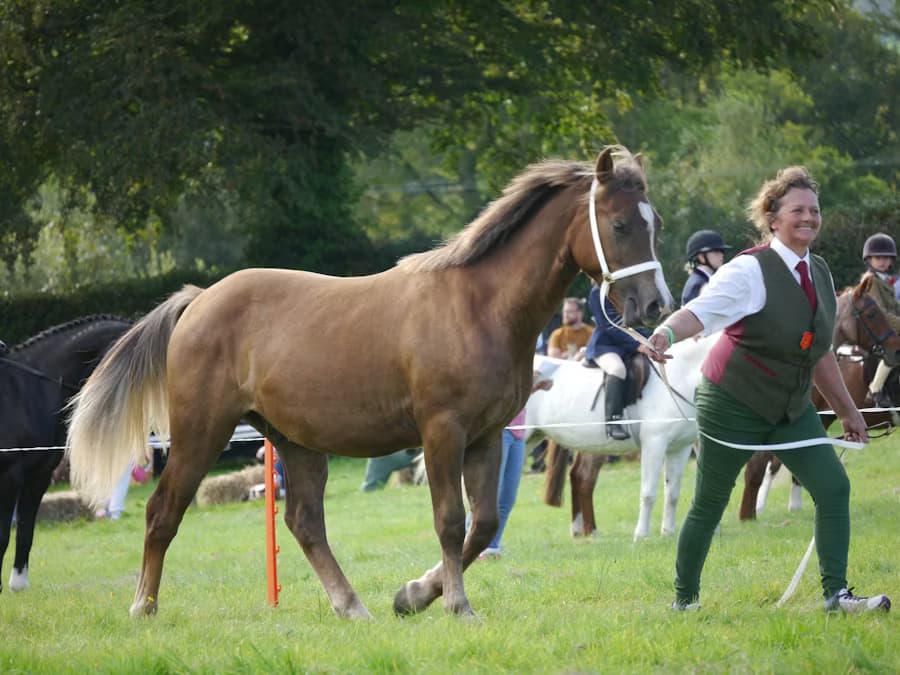
A barn change (also called a trainer switch) occurs when a horse is transferred from one trainer's stable to another, and it is one of the most statistically significant yet underutilized angles in horse racing handicapping. Horses switching to top-tier conditioners win at roughly 18–22% in their first start for the new barn, compared to the baseline win rate of approximately 8–9% across all starters. For bettors, barn changes signal shifts in intent, conditioning philosophy, and often an upgraded game plan — creating windows of value that the general public frequently overlooks.
Why Do Horses Change Trainers in the First Place?
Understanding the reason behind a barn change is just as important as knowing it happened. Horses switch trainers for a variety of reasons, and each tells a different story about what to expect going forward.
- Underperformance with current connections: An owner may lose confidence in a trainer's ability to develop or place the horse correctly. This is the most common catalyst and often signals that the new trainer has a specific plan to unlock improvement.
- Claiming activity: When a horse is claimed out of a race, it automatically moves to the new owner's chosen trainer. Claiming trainers who target specific types — such as horses with declining speed figures that still show underlying ability — are a goldmine for the barn-change angle.
- Owner-trainer relationship changes: Sometimes the switch has nothing to do with the horse at all. An owner may move an entire string of horses to a new barn due to business disputes, geographic relocation, or simply chasing a hotter conditioner.
- Retirement of the previous trainer or dispersal of a stable: These transitions are less predictive because the move may not be strategically motivated.
- Surface or distance experimentation: A trainer known for turf success might receive a horse that has only run on dirt, signaling a likely surface switch in the first start.
The key takeaway: not all barn changes are created equal. The ones that matter most are deliberate, strategic moves where the new trainer has a track record of improving similar horses.
How Do You Identify a Barn Change Before a Race?
Spotting a trainer switch before post time is straightforward if you know where to look.
- Past performances (PPs): The most recent running line will show the new trainer's name. Compare it to previous lines. Any change in the trainer column is your signal.
- Program notes and condition books: Track programs often note "first start for new trainer" or abbreviate it as FTS-NT. Equibase and various data feeds flag these transitions explicitly.
- Claiming records: If a horse was claimed in its last start, you can verify the new connections through post-race claim reports, which are published within 24–48 hours at most tracks.
- Morning workouts: A horse training at a new facility under a different trainer will show up in published workout tabs. A string of sharp works at a new base — especially bullet works — is a strong supplementary signal.
Platforms like StrideOdds integrate trainer-change data directly into their AI models, automatically flagging horses making their first start for a new barn and weighting the historical performance of that specific trainer with incoming transfers. This removes the manual legwork and lets you focus on evaluating the quality of the switch.
What Statistics Should You Track for Barn Changes?
Raw win percentage after a trainer switch is useful, but the real edge comes from drilling deeper into conditional statistics.
- Trainer win rate with first-start transfers: Some trainers are notorious for winning immediately with new acquisitions. In 2025, trainers like Chad Brown posted a 26% win rate with horses making their first start after a barn change, while certain mid-level trainers barely moved the needle at 7–8%. The spread between elite "change" trainers and the field is enormous.
- Class movement after the switch: A horse that drops in class and changes to a higher-percentage trainer is a double positive signal. Conversely, a horse that moves to a weaker barn and simultaneously climbs in class is likely to underperform.
- Days since last race: The layoff between the last start for the old trainer and the first start for the new one matters. A 30–60 day gap with published workouts suggests a deliberate freshening and reconditioning. A gap of 90+ days may indicate the horse needed time to recover from an issue.
- Claimed vs. privately transferred: Claimed horses that debut for trainers with a high "claim-to-win" percentage are among the most profitable angles in all of racing. In 2025 data across major North American tracks, horses claimed and started within 30 days by their new connections won at 19.4% and generated a positive flat-bet ROI of approximately +8.2% when the new trainer's historical win rate with claims exceeded 20%.
- Surface and distance changes in first start: If the new trainer immediately switches the horse from dirt to turf (or vice versa), or stretches the distance significantly, it implies a targeted strategy — which tends to correlate with higher win rates than keeping the horse in the same conditions.
Which Trainers Are Best at Winning With New Acquisitions?
Not every trainer excels at quickly turning around a new horse. The best "barn change" trainers tend to share specific characteristics:
- High overall win percentage (16%+): Competence is foundational. A trainer who wins at a high clip in general is more likely to win with any horse, including transfers.
- Active claiming operations: Trainers who regularly claim horses have systems designed for rapid integration — they know how to evaluate a horse's needs, adjust equipment, and find the right spot quickly.
- Strong first-off-the-claim records: This is the single most predictive stat. Track it separately from overall win rate. Some trainers win at 12% overall but 25% first off the claim. That delta is where your edge lives.
- Consistency across surfaces and distances: Versatile trainers who win on dirt and turf, at sprints and routes, are better positioned to optimize a new horse regardless of its profile.
As of early 2026, several trainers at major circuits stand out in this category. At Gulfstream Park's Championship Meet, multiple conditioners have posted first-start-with-transfer win rates above 22%, with one boutique operation exceeding 30% on a meaningful sample of 40+ starters. Identifying these operators and monitoring their entries is a repeatable, season-long strategy.
How Should You Bet Barn Changes for Maximum Profit?
Knowing that a barn change is positive is only half the equation. The other half is how the betting market prices it.
- Public awareness is low: Most casual bettors focus on speed figures, jockey names, and recent finishes. A horse coming off two poor races for a weak trainer may look unappealing on the surface, even though the switch to a sharp conditioner fundamentally changes the outlook. This creates natural overlays.
- Morning line odds often undervalue the angle: Track handicappers setting the morning line may note the trainer change but rarely adjust the line aggressively enough to account for top-tier barn-change statistics. If the morning line has a barn-change horse at 8-1 and similar historical situations suggest the true probability is closer to 5-1, you have a clear value bet.
- Exotic wagering amplifies the edge: Because barn-change horses tend to be underlaid in exactas and trifectas (the public leaves them out of combinations), including them as key horses in exacta wheels and trifecta keys can produce outsized payoffs. A horse at 6-1 that the data says should be 3-1 is even more powerful when keyed on top of an exacta.
- Flat-bet discipline: Track your barn-change bets as a separate subset of your overall betting bankroll. Over a sample of 100+ bets, you should be able to measure whether your selection criteria are producing positive expected value. If your ROI on barn-change plays exceeds +5% across a full meet, you have a genuine edge worth scaling.
- Combine with other handicapping factors: The barn change alone is not a silver bullet. The most profitable plays occur when the trainer switch aligns with a class drop, a surface switch to the horse's preferred footing, a jockey upgrade, or improving workout patterns. When three or four of these factors converge, you have a high-conviction play.
How Can You Automate the Barn Change Angle?
Manually scanning every race card for trainer switches is time-consuming, especially if you follow multiple tracks. This is where data-driven tools earn their keep.
- Database filters: Services that allow you to filter entries by "first start for new trainer" or "claimed last start" instantly narrow the field to relevant horses.
- AI-powered flagging: StrideOdds uses machine learning models that automatically detect barn changes and evaluate them in the context of the new trainer's historical performance with transfers, the horse's past performance profile, and current track conditions. This contextual analysis goes beyond a simple flag — it quantifies the expected impact of the switch.
- Alerts and watchlists: Setting up alerts for specific high-percentage barn-change trainers ensures you never miss an entry. When a trainer who wins 28% first off the claim enters a horse at a minor track on a random Wednesday, that notification could be the most profitable alert you receive all week.
- Backtesting your criteria: Before committing real money, backtest your barn-change angle against historical data. Define your filters (minimum trainer win rate with transfers, class drop required, maximum layoff days, etc.) and run them against two or three years of results. If the angle shows consistent positive ROI across multiple meets and surfaces, you have a strategy worth deploying.
Barn changes are hiding in plain sight on every race card. The horses are listed, the trainer names are printed, and the data is publicly available. The edge comes from systematically identifying the switches that matter, quantifying the expected improvement, and betting when the market has not caught up. In a game where fractions of a percentage point separate long-term winners from losers, the barn-change angle is one of the most reliable, data-backed edges available to handicappers in 2026.
Written by StrideOdds.