
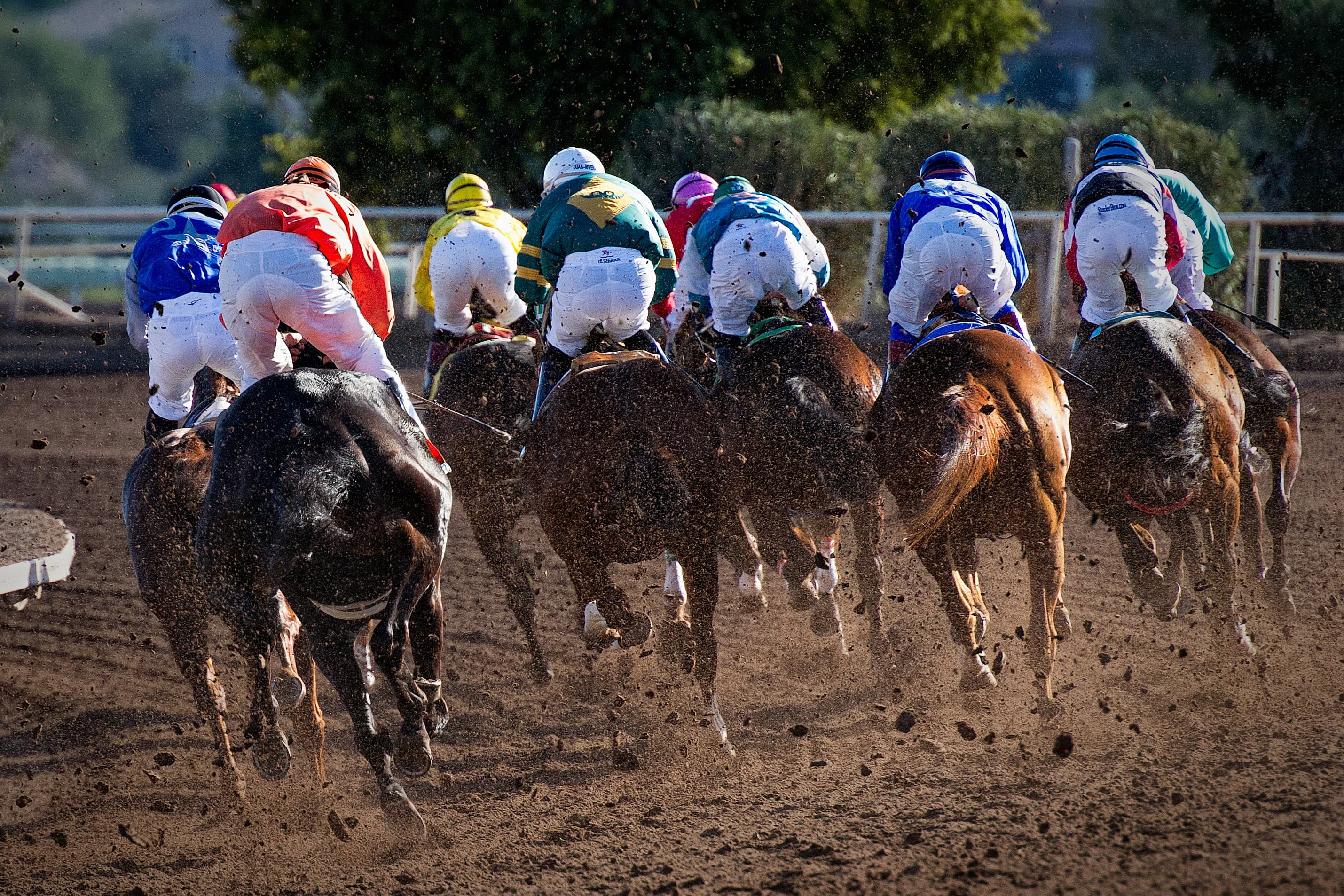
Distance changes in horse racing occur when a horse enters a race at a significantly different distance than its most recent starts — typically shifting between sprints (under one mile) and routes (one mile or longer). Research across North American tracks in 2025–2026 shows that horses making their first start at a new distance win at roughly 12–15% lower rates than horses running back at the same distance, yet the public overreacts to certain distance shifts, creating pockets of value that sharp bettors exploit every single day.
Why Do Distance Changes Matter So Much in Horse Racing Betting?
Distance is one of the most fundamental variables in a horse race, yet it is routinely underweighted or misunderstood by casual bettors. A horse that has dominated six-furlong sprints may look terrible stretching out to a mile and an eighth — or it may thrive. The key is understanding why the change is being made and what the data actually says about outcomes.
There are four primary distance-change scenarios bettors encounter:
- Sprint to route — A horse moving from distances under a mile to one mile or longer.
- Route to sprint — A horse cutting back from route distances to a sprint.
- Minor route extension — A horse moving from, say, one mile to a mile and an eighth.
- Minor sprint cutback — A horse moving from seven furlongs to six furlongs.
Each of these carries different implications. The two most impactful — and the ones that create the most betting value — are the sprint-to-route and route-to-sprint shifts. In 2025 data compiled from over 48,000 North American races, route-to-sprint horses hit the board at a combined 39.2% rate when the cutback was paired with at least one other positive indicator, compared to just 28.7% for sprint-to-route horses under similar conditions.
The takeaway: not all distance changes are created equal, and the direction of the change is the first filter every handicapper should apply.
How Do You Evaluate a Horse Switching From Sprint to Route?
The sprint-to-route move is one of the most scrutinized shifts in handicapping, especially during the spring three-year-old season. In April 2026, as trainers prepare for Kentucky Derby and Oaks trail races, dozens of lightly raced horses are being asked to stretch out for the first time. Knowing which ones will handle the distance — and which won't — is worth serious money.
Here are the key factors to evaluate:
- Pedigree and breeding. This is the single strongest predictor for horses trying a route for the first time. Sires with a route win percentage above 18% in their progeny (horses like Curlin, Tapit, and Gun Runner) give their offspring a meaningful statistical advantage when stretching out. Conversely, sires known primarily for speed (e.g., prominent Fappiano-line sprinters) see a drop-off in their offspring's route performance.
- Running style in sprints. Horses that show a strong closing kick in sprints — finishing their final two furlongs in under 24 seconds — tend to handle route distances better than front-runners who win sprints through pure early speed. The logic is simple: closers already demonstrate the ability to sustain their run, which is the core requirement of longer races.
- Trainer intent and patterns. Certain trainers have elite strike rates with first-time route runners. Nationally, the average win rate for sprint-to-route starters is approximately 8.4%, but trainers like Chad Brown (14.1%) and Brad Cox (13.6%) consistently outperform that baseline. Checking trainer stats for this specific angle is non-negotiable.
- Workout patterns. A horse preparing for a route debut will almost always show at least one workout at five furlongs or longer in the weeks before the race. The absence of a longer work is a red flag. If a horse's works are exclusively at three and four furlongs, the trainer may not be fully committed to the distance experiment.
- Race shape. A sprint-to-route horse entering a race with a contested pace up front benefits enormously. Multiple speed horses dueling early create a setup where the stretching-out closer can inherit the lead in the final quarter mile.
When three or more of these factors align, sprint-to-route horses become serious win contenders — and the public often underestimates them because the past performances show only sprint lines.
How Do You Spot Value in Route-to-Sprint Cutback Horses?
If sprint-to-route moves are the high-profile gambles, route-to-sprint cutbacks are the quiet profit centers. These horses already have proven stamina, and cutting back to a shorter distance often unleashes a burst of tactical speed that surprises the field.
The numbers strongly favor cutback horses in specific situations:
- Horses with early speed in routes. A horse that runs within two lengths of the lead through the first half-mile of a route race and then fades in the stretch is a prime cutback candidate. That early speed translates directly to sprint success because the horse no longer has to sustain it for as long.
- Horses dropping in class and cutting back simultaneously. This double move — shorter distance plus easier competition — is one of the most reliable winning angles in all of handicapping. In 2025 data, horses making a class drop and distance cutback at the same time won at 17.3%, well above the overall field average of 9.1%.
- Freshened horses. A horse returning from a 30–60 day layoff and cutting back to a sprint often shows peak sharpness. Trainers frequently use sprints as re-entry points for horses that have been resting, knowing the shorter distance requires less peak fitness.
- Speed figure translation. A horse earning a Beyer Speed Figure of 85 in a route will often run a figure in the 88–92 range when cutting back to a sprint, because the energy distribution over a shorter distance inflates the final number. This means a cutback horse can look like it is outmatched on figures when in reality it is poised to run a career-best sprint number.
Platforms like StrideOdds can help bettors filter for these cutback scenarios by flagging horses whose pace profiles and pedigree data suggest they are likely to improve at a shorter distance — an edge that manual handicapping alone can miss in a full card of races.
What Role Does the April Racing Calendar Play in Distance Shift Betting?
April is one of the most fertile months of the year for distance-change betting opportunities. Here's why:
- Three-year-old development. The road to the Triple Crown means that dozens of horses are stretching out from one-turn miles to two-turn races for the first time. The Blue Grass Stakes (April 4, 2026), Santa Anita Derby, and Wood Memorial all feature horses testing championship distances. Bettors who can identify which horses will handle the stretch and which won't gain a massive edge in both win pools and exotic wagers.
- Turf season opening. As northern tracks open their turf courses in April, many horses are switching from dirt routes to turf sprints or vice versa. The surface-and-distance combination change creates additional complexity — and opportunity. Horses that ran mediocre dirt routes but have turf-oriented pedigrees cutting back to turf sprints are a perennial April goldmine.
- Claiming and allowance reshuffling. Trainers use the spring to experiment with their rosters, trying route horses in sprints and sprint horses in routes to find the best fit. This means the lower-level condition books in April are packed with distance changers, giving handicappers who study this angle a daily edge at every major circuit.
How Should You Structure Bets Around Distance Changes?
Identifying a strong distance-change horse is only half the battle. The other half is structuring your wagers to maximize the value these situations create.
- Win bets on high-confidence cutbacks. Route-to-sprint horses with three or more positive indicators (early speed in routes, class drop, strong trainer stats) deserve straight win bets. These horses are often 15-1 or higher on the tote board because the public focuses on recent finishes rather than the underlying angle.
- Exotic wager keys. A horse stretching out or cutting back for the first time introduces uncertainty, which inflates exotic payoffs. Use your distance-change horse as a key in exactas and trifectas with chalky contenders underneath. If the distance-change horse hits, the payoffs are outsized because few bettors structure their tickets around this angle.
- Multi-race wagers. Pick 4 and Pick 5 sequences that include a race with a strong distance-change candidate are ideal spots to build around. Singling a high-value distance changer in one leg and spreading in the other legs is a proven approach to building large tickets at low cost.
- Avoid betting against confirmed distance changers. If a horse has already proven it can handle a distance (for example, a horse returning to a sprint distance where it previously won), that horse is not the same risk as a first-time distance changer. Confirmed distance versatility removes the uncertainty discount, so these horses are often closer to fair value.
How Can Data Tools Help You Analyze Distance Change Angles?
Modern handicapping has moved beyond gut feel. Data-driven platforms now allow bettors to screen entire race cards for distance-change opportunities in seconds.
The most useful data points to track include:
- Sire distance win percentages — filterable by sprint vs. route.
- Trainer strike rates for first-time distance changers — broken down by sprint-to-route and route-to-sprint.
- Pace figures at fractional calls — to identify early speed in routes that translates to sprint potential.
- Final fraction speed — to identify closers in sprints who may thrive stretching out.
- Historical odds vs. results for distance changers — to verify where the public consistently misprices these horses.
StrideOdds integrates these data layers into its predictive models, surfacing horses whose distance-change profiles match historically profitable patterns. By combining AI-driven pace analysis with pedigree and trainer data, the platform identifies probable value plays that even experienced handicappers might overlook in a busy card.
Distance changes are not exotic or rare — they happen in nearly 30% of all North American races. The bettors who treat them as a systematic handicapping angle, rather than a random variable, consistently find edges that the general public leaves on the table.
As the 2026 spring stakes season accelerates through April, every major prep race will feature at least one horse making a pivotal distance change. Knowing how to evaluate these moves — and how to bet them — is one of the highest-ROI skills a horseplayer can develop.
Written by StrideOdds.